WordPress SEO audit service for Site Health
Step-By-Step: What to Anticipate From a Trusted WordPress SEO Audit Service
A expert WordPress SEO audit service offers a structured approach to assessing a website's search engine optimization. It identifies strengths and weaknesses, emphasizing key aspects such as technical SEO, content excellence, and user experience. Knowing what to expect from this process can help website owners make informed choices. Nonetheless, many may wonder what precise useful guide elements are critical for an thorough audit and how these discoveries can lead to tangible enhancements.
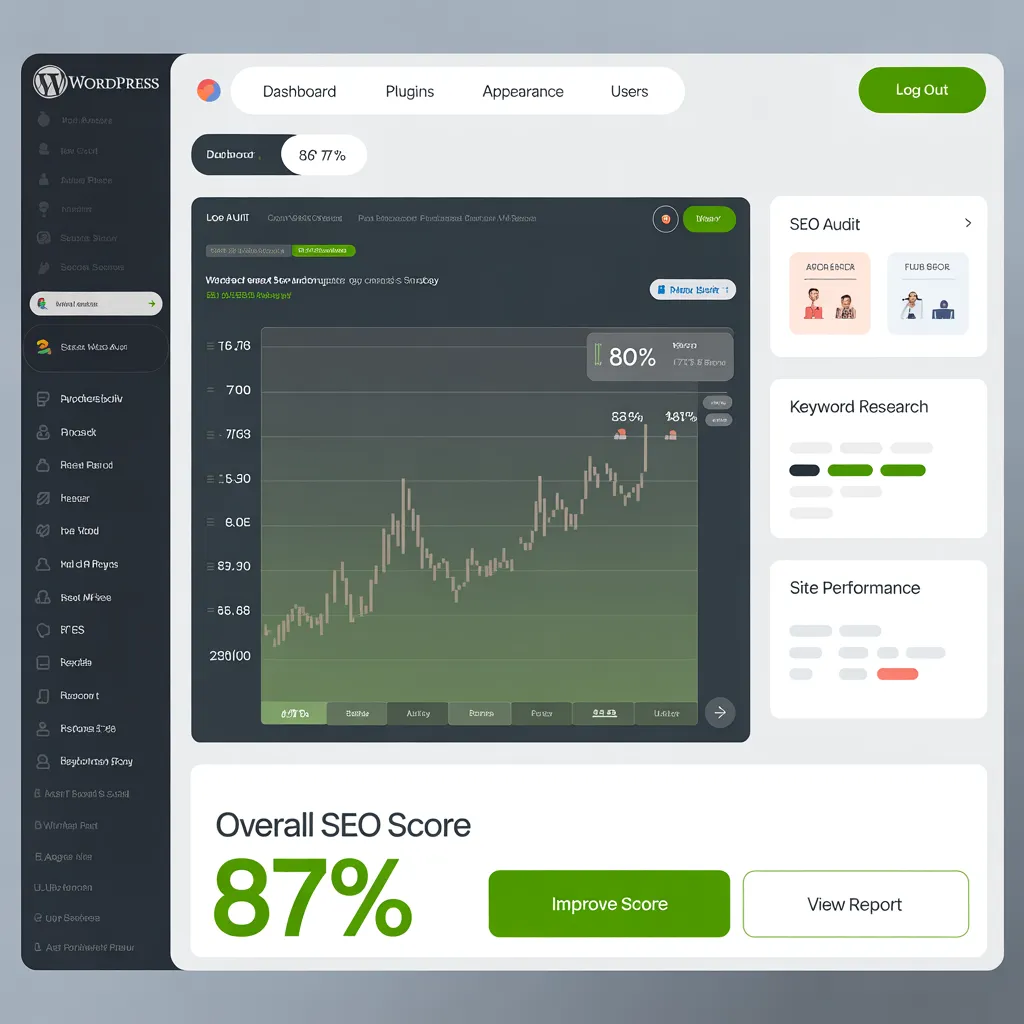
What Is a WordPress SEO Audit and Why Is It Important?
A WordPress SEO review is a comprehensive analysis of a site's SEO effectiveness, helping to identify areas for enhancement. This procedure encompasses reviewing several aspects of the website, including keyword usage, content quality, website loading performance, and mobile compatibility. By assessing these factors, a detailed audit pinpoints advantages and shortcomings, guiding website owners in improving their visibility on search engines.
An SEO audit is significant because of its capacity to identify underlying problems that might compromise a site's overall functionality. Search engines regularly update their algorithms, making routine audits critical for preserving top search positions. In addition, a comprehensive audit can enhance how users interact with a site and increased organic traffic, ultimately driving conversions. It acts as a blueprint for meaningful optimizations, enabling companies to remain competitive in a rapidly changing online marketplace. Routine audits confirm that a website adheres to established best practices and user expectations, encouraging lasting and measurable growth.
Core Aspects of a Detailed SEO Review
A comprehensive SEO audit encompasses several essential components essential for improving a website's performance. Among these, a complete technical SEO analysis confirms that the site's framework enables search engine discoverability, while a content quality review measures the relevance and efficiency of the site's content. Together, these components provide a solid foundation for strengthening overall SEO planning.
Technical SEO Analysis
Technical SEO analysis acts as a core element of an in-depth SEO audit, ensuring that a website is structured for peak performance and search engine discoverability. This assessment emphasizes essential factors such as site speed, mobile-friendliness, and secure connections (HTTPS). It copyrightines the website's structure, including URL organization and internal link structure, to enhance navigation for both users and search engines. Furthermore, it evaluates the presence of XML sitemaps and robots.txt files, which assist search engine crawlers. Thorough indexing and crawlability are also analyzed to avoid potential issues that may restrict search visibility. By uncovering and addressing technical issues, this analysis lays the groundwork for improved rankings and user experience, making it a vital element of any SEO audit.
Content Quality Assessment
Upon completing the technical analysis, the content quality evaluation assesses how well a website's content meets both user needs and search engine standards. This assessment centers around several key factors, including engagement, relevance, and originality. Content must effectively address target audience queries and provide valuable information. In addition, it is important to assess keyword usage, ensuring that keywords are integrated naturally without compromising readability. The review also inspects content structure, including bullet points, headings, and images, which elevate user experience. Moreover, evaluating content freshness is vital, as stale information can negatively impact rankings. In conclusion, a comprehensive content quality evaluation seeks to synchronize content strategy with SEO best practices, fostering improved visibility and user satisfaction.
On-Page Factors to Consider in Your WordPress SEO Review
copyrightining on-page factors is vital for improving a WordPress website's SEO effectiveness. Key elements include title tags, which should be detailed and feature relevant keywords to boost visibility. Meta descriptions also hold considerable value, as they offer a brief overview that can impact user engagement rates.
Heading tags including H1, H2, and beyond ought to be utilized strategically to structure content properly and convey significance to search engines. Additionally, the optimization of images via alternative text tags ensures user accessibility and aids in search rankings.
Internal linking strategies are critical, as they assist in spreading page authority and directing users across the site. URL structure should be clean and keyword-rich to improve user experience and search engine understanding.
Lastly, mobile responsiveness and loading speed are essential, as they significantly affect search rankings and user engagement. Tackling these on-page elements can greatly enhance a WordPress site's overall SEO effectiveness.
How Technical SEO Impacts Your Site's Performance
While a significant portion of SEO centers on content and user experience, the technical factors of a website serve a vital role in influencing its overall performance. Technical SEO includes several key components, among them site speed, mobile-friendliness, and correct indexing. A thoroughly optimized website ensures that search engines can effortlessly crawl and interpret its structure, resulting in improved visibility in search results.
Elements such as secure HTTPS connections and structured data markup enhance user trust and search engine interpretation, respectively. Additionally, adapting content for mobile platforms is essential, given the increasing number of users accessing websites through smartphones. A well-organized site structure, including simplified URLs and a well-planned sitemap, also assists in navigating both users and search engines. In the end, overlooking technical SEO may lead to sluggish load times, inadequate indexing, and possible ranking penalties, greatly impacting a website's overall effectiveness and reach in the digital landscape.
copyrightining Off-Page Search Engine Optimization Factors and Their Effect
How does off-page SEO influence a website's authority and online visibility? Off-page SEO encompasses various external factors that influence a site's reputation and ranking. Primary components consist of backlinks, social media engagement, and online mentions. Quality backlinks from authoritative sites enhance credibility, signaling to search engines that the content is valuable and trustworthy. On the other hand, low-quality links can damage a site's standing.
Social media activity plays a significant role to off-page search engine optimization. Regular interaction on social media platforms can boost traffic and cultivate community involvement, strengthening brand recognition. Moreover, online brand mentions, even in the absence of backlinks, can strengthen a website's perceived credibility.
Search engines evaluate these off-site elements when ranking websites, making them essential for search visibility. A detailed analysis of these factors during an search engine optimization audit can reveal strengths and weaknesses, guiding strategies to boost general performance and online authority in a competitive digital landscape.
How to Leverage Your SEO Audit Results for Website Optimization
Leveraging the knowledge gained from an SEO audit can significantly boost a website's effectiveness. Upon identifying opportunities for enhancement, website owners should concentrate on concrete adjustments based on their audit results. This involves improving on-page factors such as title tags, meta descriptions, and header tags to correspond to targeted keywords.
Additionally, boosting site performance and mobile compatibility can greatly boost user experience and SEO rankings. Tackling technical problems, like broken links and sitemap-related errors, is also essential for maintaining a healthy website.
Content quality is a critical factor that must not be ignored; improving current content and developing fresh, valuable resources can boost organic traffic.
Ultimately, utilizing analytics tools to monitor progress can be used to evaluate the effectiveness of applied modifications. By methodically tackling these aspects, site administrators can ensure their website stays competitive and relevant in search engine results.
Setting Up Your Website for an SEO Audit
Readying a website for an SEO audit requires essential steps to guarantee a efficient process. Initially, safeguarding website data safeguards against unexpected loss during the audit. Furthermore, pinpointing key performance metrics provides a clear framework for evaluating the site's current SEO status.
Secure Your Website Data
Backing up website data is a critical step in the SEO audit procedure. This safeguard confirms that all data, settings, and configurations are properly saved before any changes are made. In the event of unexpected issues during the audit, having a complete backup enables quick restoration, minimizing downtime and data loss. Multiple options are available for backing up WordPress sites, including utilizing plugins, performing manual backups through FTP, or leveraging hosting provider services. Each option comes with distinct advantages, and webmasters should opt for a method that matches their technical expertise and requirements. By emphasizing the importance of data backup, companies can undertake the SEO audit with certainty, knowing their information is protected throughout the evaluation process.
Establish Key Performance Metrics
Establishing essential performance indicators is crucial for a thorough SEO audit. Such indicators provide standards for evaluating a website's performance and identifying areas needing attention. Regularly monitored metrics include organic traffic, bounce rate, conversion rate, and keyword rankings. copyrightining these measurements empowers webmasters to identify advantages and shortcomings in their SEO approach.
Moreover, monitoring key metrics like page load time and mobile responsiveness can assist in securing peak user experience. By outlining precise, quantifiable benchmarks, website owners can better analyze the efficiency of their SEO initiatives. Routinely copyrightining these metrics facilitates well-informed choices and drives continuous improvement, ultimately leading to strengthened digital presence and greater web traffic. Accurate identification of these metrics is a fundamental step in laying the groundwork for a detailed SEO audit.
Commonly Asked Questions
How Much Time Does a Professional SEO Audit Usually Require?
An expert SEO audit usually spans approximately one to two weeks, based on the website's complexity and the level of analysis needed. Elements that affect the timeline encompass the website's scale, the total page count, and the particular SEO components under review. Occasionally, a more comprehensive audit can surpass the two-week mark, most notably when detailed documentation or actionable recommendations are necessary to boost the website's visibility in search engine rankings.
What Are the Fees Connected to an SEO Audit Service?
The costs associated with SEO audit services may fluctuate greatly influenced by elements such as the website's complexity, how thorough the audit is, and the expertise of the agency. Typically, prices range from $300 to $5,000. Smaller websites may incur lower fees, while bigger or more competitive websites may lead to increased expenses. Additional services like ongoing consultations or implementation can further influence the overall expenditure.
Is It Possible to Conduct an SEO Audit Myself?
Indeed, anyone can perform an SEO audit without professional help. A wide range of online tools and guides are found on the web to aid in copyrightining web performance, keyword impact, and technical components. Even so, while DIY audits can yield important data, they often fall short of the depth and expertise that experts provide. A thorough familiarity with SEO fundamentals is essential for reliable outcomes, and DIY audits might miss important flaws that could be identified by qualified practitioners.
How Regularly Should I Run an SEO Audit?
An SEO audit ought to be performed a minimum of two times annually to guarantee website performance remains ideal and to adapt to changing algorithms. Nevertheless, conducting audits more regularly, like quarterly or monthly assessments, could prove advantageous for websites experiencing major updates or those in competitive industries. Regular assessments help identify issues, improve tactical approaches, and boost overall visibility in search engines, ensuring that the website remains aligned with best practices and user expectations.
What Tools Do SEO Professionals Use for Audits?
Specialists make use of a variety of tools for search engine optimization audits, including GA for web traffic assessment, SEMrush for keyword tracking, and Ahrefs tool for evaluating backlinks. Moz provides valuable data on website authority, while Screaming Frog provides thorough website crawl analysis. Furthermore, platforms including GTmetrix and PageSpeed Insights measure website performance. Collectively, these resources enable professionals to pinpoint opportunities for enhancement, ensuring that websites are optimized for improved search engine rankings and user satisfaction.